The History of Slot Machines
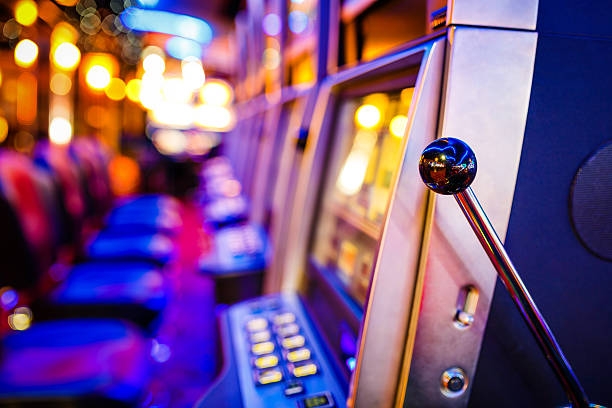
The origins of slot machines can be traced back to the late 19th century, specifically to 1895, when Charles Fey created the first mechanical slot machine known as the Liberty Bell. This early machine featured three spinning reels adorned with symbols such as horseshoes, diamonds, and the iconic Liberty Bell itself. Players who enjoy these games often seek the best fast withdrawal casino options to make the most of their experience, as they would pull a lever to spin the reels, and if they aligned in the right combination, a payout would ensue. This simple yet innovative design laid the foundation for the gaming industry we know today.

As decades progressed, slot machines evolved significantly. The introduction of electromechanical slots in the 1960s allowed for more complex gameplay and larger jackpot payouts. The development of video slots in the 1970s took the experience to a new level by integrating video screens and multiple paylines. These innovations catered to a growing demand for interactive and exciting gaming experiences, steadily increasing the popularity of slots in casinos and eventually online platforms.
Today, the evolution of slot machines is marked by the integration of advanced technology such as random number generators (RNGs), which ensure fair play and unpredictability in outcomes. Moreover, the emergence of themed slots based on movies, television shows, and popular culture has broadened their appeal, attracting a diverse audience. This rich history showcases not only the technological advancements but also the cultural significance of slot machines in entertainment.
The Psychology Behind Slot Machines
Understanding the allure of slot machines requires delving into the psychology that underpins their design and player engagement. One significant aspect is the concept of variable rewards, which is rooted in behavioral psychology. Slot machines operate on a random reward schedule, meaning that players do not know when they will win or lose. This unpredictability creates excitement and keeps players returning for more, as they chase the elusive big win.
The use of sensory stimulation further enhances the appeal of slot machines. Bright lights, engaging sound effects, and captivating themes all play a part in creating an immersive experience. These elements trigger dopamine release in the brain, leading to feelings of pleasure and excitement. This stimulation can create a sort of thrill, akin to a rollercoaster ride, where players often find themselves on emotional highs and lows depending on their gaming outcomes.
Moreover, social aspects contribute to the allure of slot machines. Many casinos create environments where players can engage with each other, sharing experiences and strategies. Online platforms also foster communities where users can interact through forums or social media. This social component not only enhances the enjoyment of playing but also connects individuals through shared enthusiasm, fueling their interest in returning to the slots.
Modern Innovations in Slot Machine Technology
The digital age has ushered in innovative advancements in slot machine technology that enhance player engagement and entertainment. Modern machines feature high-definition graphics, soundtracks, and bonus rounds that create a more dynamic gaming experience. Progressive jackpots, which accumulate over multiple machines, provide the opportunity for life-changing payouts and have become a significant draw for players across the globe.
Additionally, the rise of online casinos has transformed how players interact with slot machines. Players can now enjoy their favorite games from the comfort of their homes or on mobile devices. This convenience has expanded the market, allowing operators to reach a broader audience. Virtual reality (VR) and augmented reality (AR) technologies are also beginning to enter the landscape, offering immersive experiences that blend the physical and virtual worlds in novel ways.
Furthermore, game developers are increasingly focusing on incorporating storytelling elements into slot machines. This trend involves crafting narratives around the gameplay that captivate players, drawing them into fantastical worlds and adventures. By engaging players at a deeper emotional level, these modern innovations contribute to a more enjoyable and memorable gaming experience, highlighting the industry's commitment to creativity and player satisfaction.
Responsible Gaming and Slot Machines
While the allure of slot machines is undeniable, it is crucial to address the importance of responsible gaming. As they are designed to be engaging and entertaining, players can sometimes find themselves spending more time and money than intended. Understanding the potential for problem gambling is essential in fostering a safe gaming environment. Casinos and online platforms have initiated programs to promote responsible gaming, encouraging players to set limits and recognize the signs of gambling addiction.
Many jurisdictions also have regulations in place that require casinos to provide information on responsible gaming practices. This includes resources for players who may require assistance, such as helplines and support services. By raising awareness about responsible gaming, the industry aims to create a balanced approach that prioritizes player welfare while maintaining an enjoyable gaming experience.
Moreover, player education plays a pivotal role in promoting responsible gaming. By understanding the odds, payback percentages, and the nature of random number generators, players can make more informed decisions. Knowledge about the gaming environment and self-assessment tools can empower individuals to recognize their limits and engage in gaming that is enjoyable rather than detrimental. Responsible gaming should be a shared commitment between players and operators to ensure a sustainable and healthy gaming landscape.
Conclusion and Future of Slot Machines
As the gaming landscape continues to evolve, the future of slot machines remains promising. The interplay of technology, psychology, and design will likely yield new innovations that sustain player interest and excitement. As various platforms adapt to player preferences, the ongoing development of interactive features and gamified elements will reshape the slot machine experience for years to come.
Additionally, the integration of artificial intelligence (AI) is expected to revolutionize personalized gaming experiences. By analyzing player behavior and preferences, AI can tailor game recommendations, promotions, and even gameplay mechanics to enhance player enjoyment. This customization could further deepen the connection players feel towards their favorite games, fostering loyalty and engagement.
In conclusion, the allure of slot machines is a multifaceted phenomenon rooted in technology, psychology, and cultural trends. As players continue to seek entertainment and excitement, the industry must remain vigilant in promoting responsible gaming while embracing innovation. For enthusiasts seeking to explore this captivating world, staying informed about trends and developments is the surest way to enjoy the slot experience to its fullest.